Debt Management & Credit
Debt Snowball vs. Debt Avalanche: Which Payoff Method Actually Saves You More in 2026


Choosing between the debt snowball vs debt avalanche method is one of the biggest decisions you’ll make when tackling debt in 2026, and the two approaches can lead to very different outcomes depending on whether you value raw interest savings or psychological momentum. Total U.S. household debt hit a record $18.79 trillion in the first quarter of 2026, according to the Federal Reserve Bank of New York’s household debt report, with credit card balances alone at $1.252 trillion. More people than ever are searching for the payoff method that actually works. Here’s what the math, the psychology research, and the 2026 numbers say.
What Is the Debt Avalanche Method?
The debt avalanche method has you make minimum payments on every debt, then send every extra dollar toward the balance with the highest interest rate first. Once that balance is cleared, you roll its payment into the debt with the next-highest rate, and so on. Mathematically, this is the cheapest way out of debt because it stops your most expensive interest charges the soonest.
What Is the Debt Snowball Method?
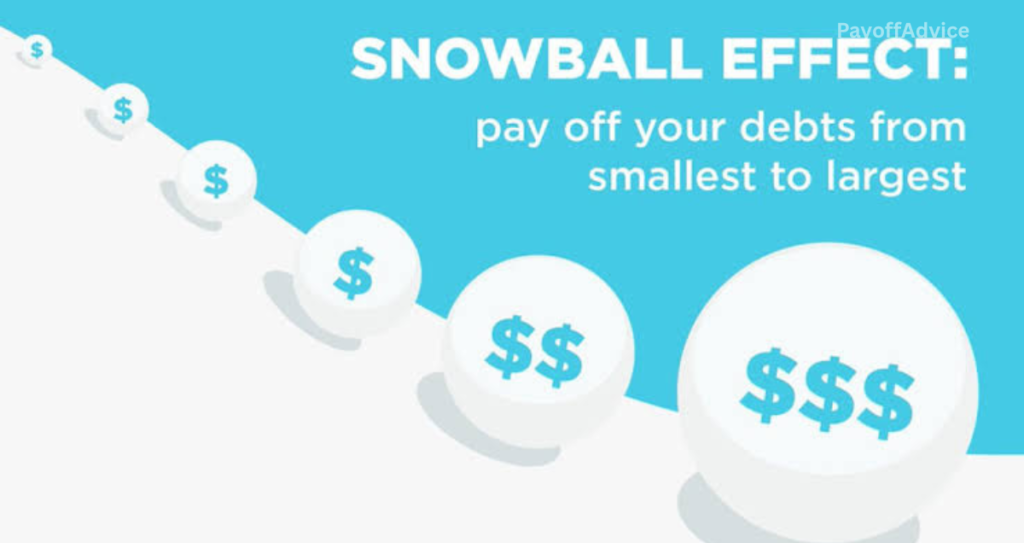
The debt snowball method ignores interest rates entirely. Instead, you make minimum payments on everything and put extra money toward your smallest balance first, regardless of its APR. As detailed in Fidelity’s comparison of both strategies, the appeal is speed to your first win: a fully paid-off account, on paper, much sooner than the avalanche method typically delivers one.
Debt Avalanche vs. Debt Snowball: The Real Numbers
Run the math on a representative example: $15,000 of combined debt paid down at $700 a month. The debt avalanche method saves roughly $226 in total interest and finishes about one month sooner than the debt snowball, because every extra dollar attacks the balance charging the highest APR first. On debt loads above $25,000 spread across several accounts, that gap can widen into the thousands, according to comparative debt-payoff calculator modeling published across consumer finance sites in 2026. The avalanche always wins on the spreadsheet — the question is whether the spreadsheet is the only thing that matters.
Why the Debt Snowball Wins on Follow-Through
Behavioral research tells a different story than the spreadsheet. A widely cited Kellogg School of Management study by David Gal and Blakeley McShane, published in the Journal of Marketing Research, analyzed real debt-settlement accounts and found that the strongest predictor of whether someone stayed debt-free wasn’t their interest rate, income, or dollar balance paid — it was the proportion of individual accounts they closed. In other words, small wins predicted long-term success better than big math. That’s the entire logic behind the debt snowball: it manufactures a debt-free account in month three, while the debt avalanche often doesn’t produce its first payoff until month seven or later on a typical multi-account balance.
Which Method Fits Your Situation?
- Choose the avalanche if: you’re disciplined with a budget, your balances carry very different interest rates, and you want the mathematically cheapest route out.
- Choose the snowball if: you’ve started and abandoned a payoff plan before, you have several small debts, or you need visible proof of progress to stay motivated.
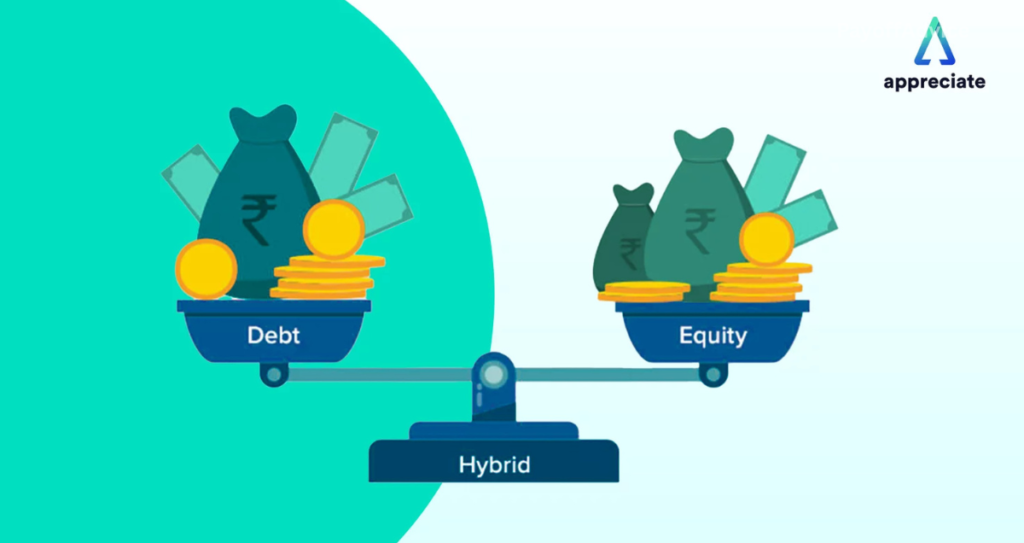
- Choose a hybrid if: you want most of the avalanche’s savings but still want an early win — clear your smallest balance first, then switch to highest-APR order for everything else.
The Hybrid Approach: Get the Best of Both
A growing number of 2026 debt payoff calculators now model a third path: knock out your single smallest balance first for a quick psychological win, then switch entirely to avalanche order (highest APR first) for every account after that. This hybrid rarely costs more than a few dollars in extra interest compared to pure avalanche, while still delivering the early momentum that keeps people from quitting. If you’re also carrying revolving credit card balances, pairing this approach with the tactics in our guide on how to pay off credit card debt fast can compress your timeline even further.
2026 Debt Statistics You Should Know
- Total U.S. household debt: a record $18.79 trillion in Q1 2026, per the Federal Reserve Bank of New York.
- Credit card balances: $1.252 trillion nationally, with an average per-person balance of $6,715.
- Average credit card APR: 22.15% on interest-accruing accounts as of Q2 2026, per the Federal Reserve’s G.19 report.
- Example payoff gap: avalanche saves roughly $226 more than snowball on a $15,000 balance paid at $700/month, finishing about one month sooner.
Before you commit to either strategy, it also helps to have a cash cushion so a surprise expense doesn’t undo your progress. Our step-by-step emergency fund guide walks through building one without slowing your debt payoff down. Whichever method you pick, the real winner is the one you’ll actually finish — the debt snowball vs debt avalanche debate matters less than staying consistent for the months it takes to reach zero.
Frequently Asked Questions
Is debt avalanche or debt snowball better?
Debt avalanche saves more in total interest because it targets your highest-APR balance first. Debt snowball has higher completion rates because it delivers an early win. The better method is the one you’ll actually stick with to the end.
How much money does the debt avalanche method actually save?
On a representative $15,000 balance paid at $700 a month, avalanche saves around $226 in interest versus snowball. The savings gap grows on larger, more varied balances and can reach into the thousands on debt above $25,000.
Why does the debt snowball method work psychologically?
A Kellogg School of Management study found that the strongest predictor of staying debt-free was the proportion of individual accounts closed, not the dollar amount paid or the interest rate. Closing a full account, even a small one, creates measurable motivation to keep going.
Can I combine the debt snowball and debt avalanche methods?
Yes. A popular hybrid approach clears your single smallest balance first for a quick win, then switches to avalanche order (highest APR first) for every remaining account. It captures most of the avalanche’s savings while still producing an early motivational win.
How long does it take to pay off debt with the snowball method?
Timelines vary by balance and payment amount, but the snowball method typically produces its first fully paid-off account by month three, versus month seven or later for the avalanche method on a comparable multi-account balance.
Does the order of debt payoff affect my credit score?
Both methods improve your credit score over time as balances and utilization drop. Neither order has a proven direct advantage for your score; the bigger factor is how quickly your overall utilization ratio falls.
What is total U.S. household debt in 2026?
Total U.S. household debt reached a record $18.79 trillion in the first quarter of 2026, according to the Federal Reserve Bank of New York, with credit card balances making up $1.252 trillion of that total.
Should I pick avalanche if I have high-interest credit cards?
If your balances carry very different interest rates, for example a 24% credit card alongside a 6% personal loan, avalanche will save you meaningfully more because it eliminates the most expensive debt first.
What if I’ve tried a payoff plan before and quit?
If you’ve abandoned a debt payoff plan in the past, the snowball or hybrid method is worth trying first. Research shows early, visible wins are the strongest predictor of finishing, more than the interest rate you’re paying.
Do I need an emergency fund before starting either method?
A small starter fund of $500-$1,000 is worth building first. It prevents a surprise expense from landing back on a credit card and derailing whichever payoff method you choose.