Income & Wealth Building
How to Build an Emergency Fund: A Step-by-Step Guide for Beginners
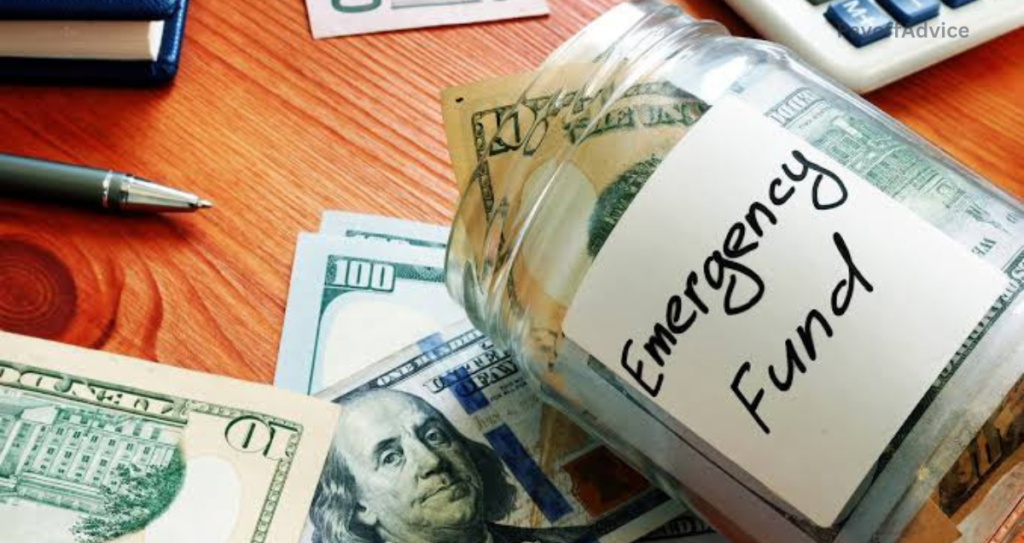
Nearly half of Americans cannot cover a $1,000 emergency. Here is a step-by-step guide to building an emergency fund from scratch, even if you are starting with nothing.


An emergency fund is one of the most important pieces of a healthy financial plan, yet current data shows most people do not have one that would actually hold up. According to Bankrate’s 2026 Emergency Savings Report, only 47 percent of Americans have enough liquidity to cover a $1,000 emergency expense, and the median emergency fund balance among those who have one has fallen to around $5,000, half of what it was reported at a year earlier.
If you are starting from zero, building an emergency fund can feel overwhelming. This step-by-step guide breaks the process down into manageable stages, grounded in current savings data.
Step 1: Understand Why an Emergency Fund Matters
An emergency fund exists to cover unexpected costs, such as car repairs, medical bills, or a job loss, without forcing you into debt. Recent survey data shows 33 percent of adults would need to borrow money or go into debt to handle a $1,000 emergency, and workers without emergency savings are roughly 13 times more likely to take a hardship withdrawal from their 401(k), a costly move with tax penalties.
Step 2: Set a Starter Goal Before the Full Target
The traditional advice to save three to six months of expenses can feel impossible if you are starting from nothing. Instead, set an initial goal of $500 to $1,000 first. This is roughly the median emergency savings balance for Gen Z and Millennials nationally, and reaching it alone would put you ahead of the nearly one in three Americans who have no emergency fund at all.

Step 3: Calculate Your Full Emergency Fund Target
Once your starter fund is in place, calculate your full target based on your essential monthly expenses, not your total income. At the national average household spending level of roughly $78,535 a year, three months of expenses comes out to about $19,634, and six months comes to roughly $39,268. Use your own essential spending, not this national average, to set a target that reflects your actual cost of living.
Step 4: Open a Dedicated High-Yield Savings Account
Keep your emergency fund separate from your everyday checking account so it is harder to spend accidentally, but still accessible within a day or two. Standard savings accounts currently pay close to 0.38 percent nationally, while top high-yield savings accounts pay 4 to 5 percent APY, meaningfully helping your fund keep pace with inflation while it sits untouched.
Step 5: Automate a Fixed Contribution Every Payday
Set up an automatic transfer to your emergency fund account on payday, even if it starts small. Only 17 percent of Americans currently contribute to their emergency fund monthly as part of their budget, according to recent survey data, which means automating this step alone puts you ahead of most households.

Step 6: Redirect Windfalls Before You Spend Them
Tax refunds, bonuses, and cash gifts are excellent ways to accelerate your emergency fund without changing your monthly budget. Committing to redirect a fixed percentage, such as 50 percent, of any windfall toward your fund can meaningfully speed up your timeline compared to relying on payday contributions alone.
Step 7: Trim One or Two Expenses Temporarily
You do not need to overhaul your entire budget to build an emergency fund quickly. Identifying one or two non-essential expenses, such as unused subscriptions or frequent takeout, and redirecting that money temporarily can meaningfully speed up reaching your starter goal without feeling like a complete lifestyle change.
Step 8: Avoid Investing Your Emergency Fund in the Stock Market
It can be tempting to put emergency savings into investments for higher returns, but this defeats the purpose of the fund. Emergency money needs to be available immediately without risk of loss, which is why a high-yield savings account, not stocks, is the appropriate home for this money. Our guide on protecting your savings from inflation covers how to balance safety and growth across your broader financial plan.
Step 9: Replenish the Fund Immediately After Using It
Bankrate’s research found 37 percent of adults tapped their emergency savings in the past 12 months, with 80 percent of that money going toward essential expenses. If you use your fund, treat rebuilding it as an immediate priority rather than an afterthought, since a depleted emergency fund leaves you exposed to the next unexpected cost.
Step 10: Reassess Your Target as Your Life Changes
Your emergency fund target should grow alongside your expenses, dependents, or income instability. Freelancers, single-income households, or anyone with variable pay should generally aim toward the higher end of the three-to-six-month range, while dual-income households with stable jobs may be comfortable closer to three months. Our guide on saving habits for financial independence covers how this fund fits into your broader long-term savings plan.
Final Thoughts
With median emergency fund balances falling and nearly half of Americans unable to cover a $1,000 surprise expense, building this safety net has become more urgent, not less. Starting with a modest goal, automating contributions, and keeping the fund in an accessible high-yield account gives you a realistic path to financial resilience, even if you are starting from zero.
Frequently Asked Questions
1. How much money should be in an emergency fund?
Most financial planners recommend three to six months of essential living expenses, though your exact target should reflect your own income stability and household costs.
2. What is a good starter goal if I have no savings?
A starter goal of $500 to $1,000 is a realistic first milestone before working toward the full three-to-six-month target.
3. Where should I keep my emergency fund?
A high-yield savings account is generally best, since it offers meaningfully higher interest than a standard account while keeping your money accessible within a day or two.
4. What percentage of Americans cannot cover a $1,000 emergency?
According to Bankrate’s 2026 survey, only 47 percent of Americans have sufficient liquidity to cover a $1,000 emergency expense.
5. Should I invest my emergency fund in stocks for better returns?
No, emergency funds should stay in low-risk, accessible accounts rather than investments, since you may need the money on short notice regardless of market conditions.
6. How can I build an emergency fund faster?
Automating payday contributions, redirecting windfalls like tax refunds, and temporarily trimming one or two discretionary expenses can meaningfully speed up your timeline.
7. What should I do if I have to use my emergency fund?
Treat rebuilding the fund as an immediate priority afterward, since a depleted fund leaves you exposed to the next unexpected expense.
8. Does everyone need the same size emergency fund?
No, your target should reflect your income stability and expenses; freelancers and single-income households generally need larger funds than dual-income, stable-employment households.
9. How much do Americans typically have saved for emergencies?
Recent surveys report a median emergency savings balance around $500 to $5,000 depending on the survey methodology, with generational gaps between younger and older savers.
10. What is the biggest risk of not having an emergency fund?
Without one, an unexpected expense is more likely to be paid for with high-interest debt or a costly early withdrawal from retirement accounts.