Income & Wealth Building
50/30/20 Budget Rule Explained: A Simple Budget That Actually Works
The 50/30/20 rule is one of the simplest ways to budget your paycheck. Here is how it works in 2026, and how to adjust it if your cost of living does not fit the classic split.


The 50/30/20 rule is one of the most popular budgeting frameworks because it requires no app, no spreadsheet, and no complicated math. It was popularized by Senator Elizabeth Warren and Amelia Warren Tyagi in their 2005 book “All Your Worth,” and it still holds up in 2026 as a starting point, even though rising costs mean many households need to adjust the exact percentages.
Here is how the 50/30/20 rule works, what current data says about how realistic it is in 2026, and how to adapt it if your budget does not fit neatly into thirds.
What Is the 50/30/20 Rule?
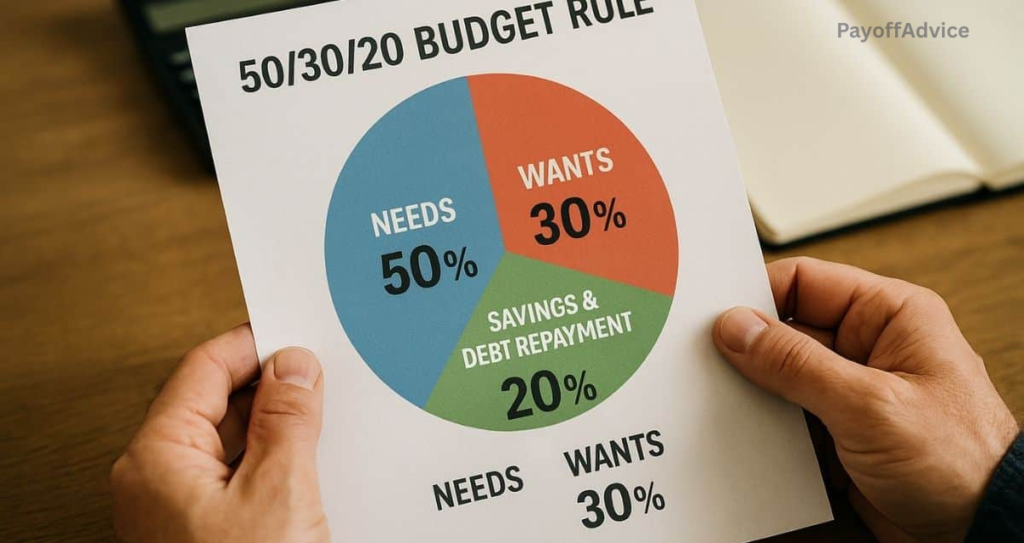
The rule splits your after-tax income into three buckets: 50 percent for needs, 30 percent for wants, and 20 percent for savings and extra debt payments. Needs are expenses you cannot skip, such as housing, groceries, utilities, insurance, transportation to work, and minimum debt payments. Wants are optional spending that makes life enjoyable, like dining out, streaming subscriptions, and travel. Savings covers your emergency fund, retirement contributions, and any additional debt payoff beyond the minimum.
Why the 50 Percent Needs Ceiling Is Under Pressure in 2026
The average American now spends around 34 percent of income on housing alone, well above what the original framework assumed would fit comfortably inside the 50 percent needs bucket. According to the Bureau of Labor Statistics Consumer Expenditure Survey, the average household spends roughly $78,535 a year against an average pre-tax income of about $104,207, with housing and transportation alone accounting for over 50 percent of total spending. Persistent price pressure is compounding this, since our breakdown of how to protect your savings from inflation shows core inflation has stayed above the Federal Reserve’s target through mid-2026. In high-cost cities, needs frequently exceed 50 percent, which is why many financial writers now describe the rule as a flexible target rather than a strict law.
How to Calculate Your 50/30/20 Budget
Start with your monthly take-home pay after taxes. Multiply that number by 0.50 for your needs budget, by 0.30 for your wants budget, and by 0.20 for your savings and debt target. On a $5,000 monthly take-home paycheck, that works out to $2,500 for needs, $1,500 for wants, and $1,000 for savings and extra debt payments. If your employer deducts retirement contributions or health insurance automatically, make sure to add those back into your gross calculations so your buckets reflect your true income.
What Current Savings Data Tells Us
The U.S. personal savings rate was only around 3 to 4.5 percent in early-to-mid 2026, far below the 20 percent this rule recommends. That gap illustrates just how far the average household is from the framework’s savings target, and why treating the 20 percent savings line as non-negotiable, even if needs run higher than 50 percent, matters more than hitting the other two percentages exactly. Our guide on saving habits for financial independence covers practical ways to protect that savings rate even on a tight budget.
Adjusting the Rule for High-Cost Areas
If you live somewhere with a high cost of living, a strict 50/30/20 split may simply not be achievable without cutting into essentials. Many financial planners now recommend variations like 60/20/20 or even 70/20/10 in expensive metro areas, which protect the 20 percent savings target while allowing needs to take up a larger share of the budget. The core principle, protect savings first and trim wants before touching that savings bucket, matters more than hitting the exact 50 and 30 percent figures.
Common Mistakes People Make With This Rule
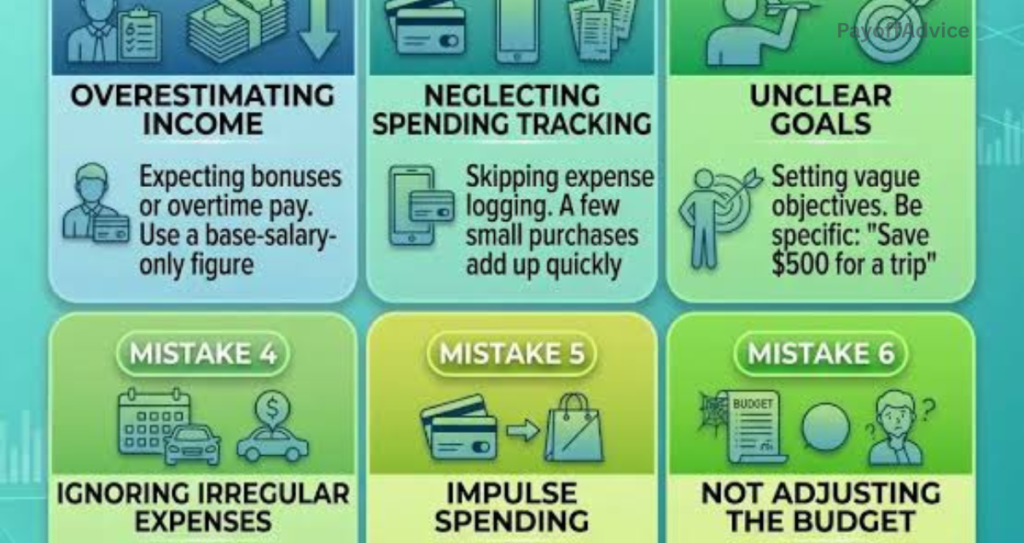
The most frequent error is calculating percentages against gross income instead of after-tax income, which inflates every bucket and makes the numbers misleading. Another common mistake is miscategorizing wants as needs, such as counting premium streaming packages or frequent takeout as essential spending. A third mistake is treating the rule as rigid law rather than a flexible starting framework that should be adjusted to your actual cost of living and financial goals.
Why This Rule Still Works as a Starting Point
Despite its limitations, the 50/30/20 rule remains one of the best entry points into budgeting precisely because it is memorable and simple. Rather than tracking every individual purchase, you only need to sort spending into three broad categories, which is far more sustainable for most people than a detailed line-item budget. Once you have a feel for your spending patterns using this framework, you can graduate to more detailed budgeting methods if needed.
Building Your Emergency Fund Within This Framework
Your 20 percent savings bucket should generally fund your emergency fund first before going toward other investments. With roughly 44 percent of Americans unable to cover a $1,000 emergency expense from savings, according to recent survey data, prioritizing this bucket protects you from being forced into debt when an unexpected cost arises.
Final Thoughts
The 50/30/20 rule is not a rigid law, and in 2026’s cost environment, sticking exactly to 50 percent needs may not be realistic for many households. Used as a flexible framework, however, it still gives you a clear, memorable structure for understanding where your money goes and for protecting your savings rate even as costs rise.
Frequently Asked Questions
1. Who created the 50/30/20 budget rule?
The rule was popularized by Senator Elizabeth Warren and Amelia Warren Tyagi in their 2005 book “All Your Worth.”
2. Does the 50/30/20 rule use gross or after-tax income?
It uses after-tax, take-home income, not your gross salary before taxes and deductions.
3. What counts as a need versus a want?
Needs are unavoidable expenses like housing, groceries, utilities, insurance, and minimum debt payments; wants are optional spending like dining out, entertainment, and travel.
4. Is the 50/30/20 rule still realistic in 2026?
It is realistic as a flexible framework, but with average housing costs around 34 percent of income, many households need to adjust the ratios rather than hit them exactly.
5. What should I do if my needs exceed 50 percent of my income?
Consider adjusted ratios like 60/20/20, and prioritize protecting your savings percentage even if it means trimming your wants bucket further.
6. How much are Americans currently saving on average?
The U.S. personal savings rate was around 3 to 4.5 percent in 2026, well below the 20 percent this rule recommends.
7. Should retirement contributions count as savings or needs?
Retirement contributions typically fall under the savings bucket, even if they are automatically deducted from your paycheck before you see your take-home pay.
8. Is 50/30/20 better than zero-based budgeting?
Neither is universally better; 50/30/20 offers flexibility within broad categories, while zero-based budgeting requires assigning every dollar a specific job, which suits people who want more control.
9. What should my emergency fund come out of within this rule?
Your emergency fund should be funded from your 20 percent savings bucket before other investments, since it protects you from going into debt during unexpected expenses.
10. Can I use the 50/30/20 rule with irregular income?
Yes, though it works best when applied to a rolling average of your income over several months rather than a single unpredictable paycheck.