Debt Management & Credit
Debt Management Plan Explained: How It Works and Is It Worth It in 2026
A debt management plan can cut credit card interest to under 8% and pay off debt in 3-5 years. See 2026 DMP costs, savings, and how it really works.


If you’re carrying revolving balances that minimum payments can’t touch anymore, a debt management plan is one of the most common ways nonprofit credit counselors help people get current again without filing bankruptcy. The problem has never been bigger: total U.S. credit card debt hit $1.252 trillion in the first quarter of 2026, according to the Federal Reserve Bank of New York, and the average cardholder is paying a record 20.94% APR. A debt management plan (DMP) rolls your unsecured balances into one lower-interest monthly payment through a credit counseling agency, typically cutting your rate to single digits and paying off the debt in three to five years. Here’s how it actually works, what it costs, and how it compares to debt settlement and bankruptcy in 2026.
What Is a Debt Management Plan?
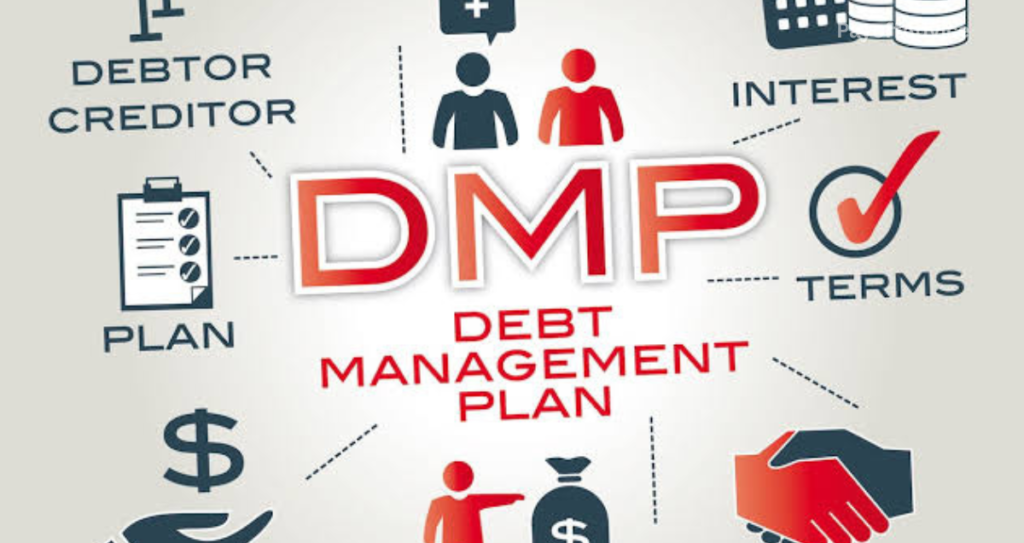
A debt management plan is a structured repayment program run by a nonprofit credit counseling agency, not a lender or law firm. You make one monthly payment to the agency, which distributes the money to your creditors under a schedule the agency negotiated on your behalf. Unlike debt settlement, a DMP is designed to repay 100% of what you owe, just at a lower interest rate and on a fixed timeline, usually 36 to 60 months. Because you keep paying your full balance, a DMP typically doesn’t carry the same severe, immediate credit score hit as settlement or bankruptcy, as long as you stay current on the plan payments.
How a Debt Management Plan Works
You start with a free counseling session, by phone, online, or in person, where a certified counselor reviews your income, expenses, and debts to see whether a DMP fits your situation. If you enroll, the agency contacts each creditor to negotiate a reduced interest rate and, in many cases, waived late fees. The industry-average negotiated rate is about 7.66%, according to 2026 data from Money Management International, well below the national average credit card APR of over 20%. From there, you send one monthly payment to the agency, which pays each creditor for you; most participants close their credit accounts to new charges while enrolled, and full repayment typically takes three to five years.
Debt Management Plan Costs and Savings
Clients typically enter a DMP with around $15,000 in unsecured debt, according to NFCC network data. Nonprofit agencies generally charge a one-time setup fee of $0 to $75 (averaging roughly $37 to $52) plus a monthly service fee of $25 to $50, though some states cap these fees lower. Cutting your rate from over 20% to roughly 7.66% on $15,000 in debt can save several thousand dollars in interest over the life of the plan, though actual savings depend on your starting balance and which creditors participate. Completion rates run 55% to 70% over the full three-to-five-year term, and new for 2026, the NFCC’s Debt Reduction Options (DRO) program lets some eligible consumers repay roughly 50% to 60% of their balance through a nonprofit agency, a lower-risk alternative to for-profit debt settlement.
Debt Management Plan vs. Debt Settlement vs. Bankruptcy
| Factor | Debt Management Plan | Debt Settlement | Bankruptcy (Chapter 7) |
|---|---|---|---|
| Repays | 100% of balance | 40%-60% of balance | Discharges most balance |
| Typical cost | $25-$50/month + $0-$75 setup | 15%-25% of settled debt | $300-$1,500+ in fees |
| Time to complete | 3-5 years | 24-48 months | 3-6 months |
| Credit score impact | Minimal if payments stay current | Often 100+ points | 100-200 points |
| Report retention | Accounts note enrollment, no separate mark | Up to 7 years | Up to 10 years |
Pros and Cons of a Debt Management Plan
A DMP’s biggest advantages are a lower interest rate, one predictable monthly payment, and a credit score that’s largely protected as long as you keep paying. It also comes with free budgeting help from a certified counselor, which settlement companies and bankruptcy attorneys don’t typically provide. The tradeoffs: you’ll usually have to close credit accounts to new charges, the monthly fee adds a small ongoing cost, and if you miss payments the negotiated interest rate reductions can be revoked by creditors. It also takes three to five years to finish, longer than most debt settlement timelines and far longer than a Chapter 7 bankruptcy discharge.
Is a Debt Management Plan Worth It in 2026?
A DMP tends to make the most sense if you can afford more than the minimum payments but not enough to make real progress against 20%-plus interest, and if your credit is still in decent shape and worth protecting. If you’re already behind on multiple accounts, facing lawsuits, or your debt is so large that even a reduced rate wouldn’t get you current, a debt consolidation loan or balance transfer card or, in more serious cases, settlement or bankruptcy may fit better. If your debt is manageable but you’d rather avoid fees entirely, the debt snowball or avalanche method can get you out of debt on your own schedule without enrolling in a formal program.

How to Get Started With a Debt Management Plan
Look for a nonprofit agency accredited by the National Foundation for Credit Counseling or the Financial Counseling Association of America, since accreditation generally means lower, more transparent fees and no upfront-payment requirements. Most agencies offer a free, no-obligation counseling session before you commit to anything. For a detailed, unbiased overview of how DMPs work and what to expect, the National Foundation for Credit Counseling’s debt management plan guide is a solid place to start before you enroll with any agency.
Frequently Asked Questions
What is a debt management plan?
A debt management plan is a structured repayment program run by a nonprofit credit counseling agency that consolidates your unsecured debts into one monthly payment, usually at a reduced interest rate negotiated with your creditors.
How much does a debt management plan cost?
Most nonprofit agencies charge a one-time setup fee of $0 to $75 (averaging around $37 to $52) and a monthly service fee of $25 to $50, though some states cap these fees lower or waive them for financial hardship.
How much can a debt management plan save me?
Savings depend on your balance and starting APR, but cutting a rate from over 20% to the industry-average negotiated rate of about 7.66% on $15,000 in debt can save several thousand dollars in interest over a three-to-five-year plan.
Will a debt management plan hurt my credit score?
Enrolling itself doesn’t directly lower your score, and impact is typically minimal if you keep making payments on time. Closing credit accounts to new charges can slightly affect your credit utilization and average account age.
How long does a debt management plan take to pay off?
Most debt management plans are designed to be paid off in three to five years, depending on your total balance, the negotiated interest rates, and how much you can afford to pay each month.
What’s the difference between a debt management plan and debt settlement?
A debt management plan repays 100% of what you owe at a reduced interest rate through a nonprofit agency. Debt settlement negotiates to pay less than the full balance, often through a for-profit company, and typically causes more credit damage.
Can I still use credit cards while on a debt management plan?
Most agencies require you to close enrolled credit accounts to new charges for the life of the plan, since continuing to add debt would undermine the negotiated payoff schedule.
What happens if I miss a payment on a debt management plan?
Missing a payment can cause creditors to revoke the reduced interest rate and fee waivers they agreed to, and repeated missed payments can get you removed from the program entirely.
Who qualifies for a debt management plan?
Most agencies look for enough steady income to cover a reduced monthly payment along with your essential living expenses. There’s generally no minimum credit score requirement, since DMPs are aimed at people already struggling with high-interest debt.
Is a debt management plan better than bankruptcy?
It depends on your situation. A DMP protects your credit better and avoids a bankruptcy filing, but takes longer and requires repaying your full balance. Bankruptcy resolves debt faster and can discharge more of it, but causes a sharper credit score drop and stays on your report for up to 10 years.