Income & Wealth Building
How to Save Money on Everyday Expenses Without Feeling Deprived
Cutting costs does not have to mean giving up the things you enjoy. Here are practical, data-backed ways to save money on everyday expenses without feeling deprived.

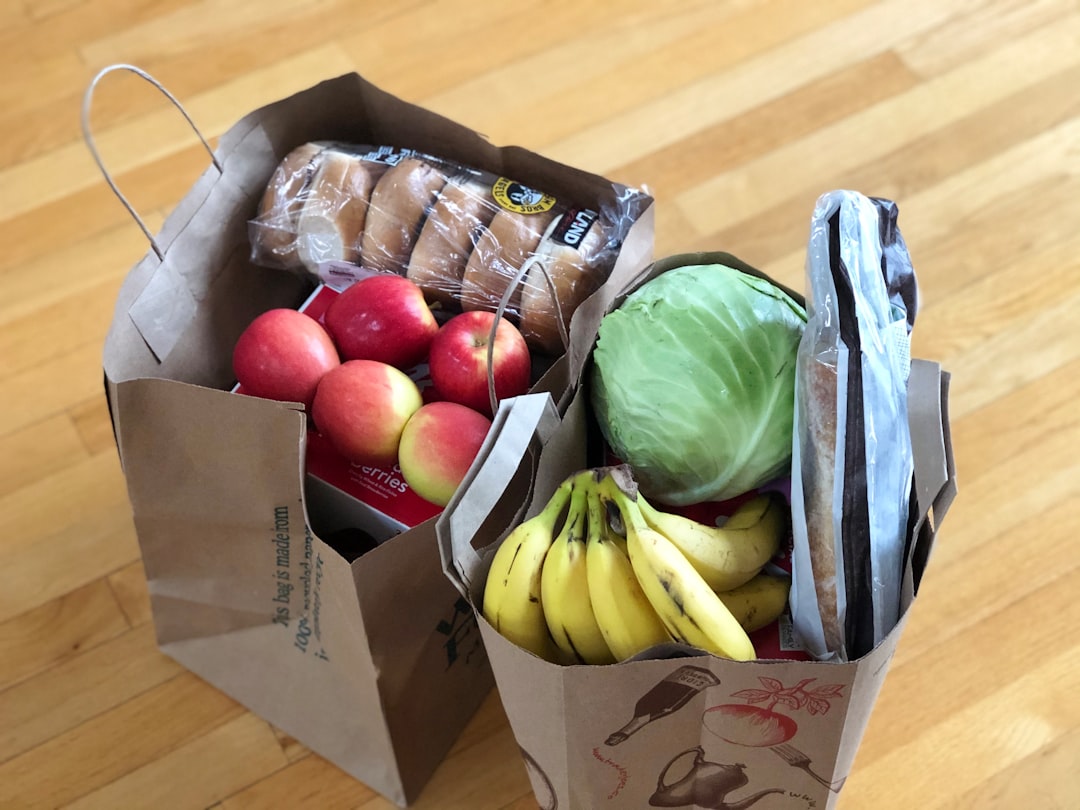
Everyday expenses like groceries, subscriptions, and dining out are where most household budgets quietly leak money. The good news is that cutting these costs does not have to mean giving up the things you enjoy. It usually just means spending more intentionally on the categories that matter most to you and less on the ones that do not.
Here is a practical, data-backed approach to trimming everyday spending without feeling deprived.
Know Your Real Numbers First
The average U.S. household now spends roughly $504 to $520 a month on groceries alone, according to Bureau of Labor Statistics data, with grocery prices up about 26 to 29 percent cumulatively since early 2020. Before cutting anything, compare your actual spending against these national benchmarks so you know whether you are genuinely overspending or just facing higher prices across the board.
Use a Grocery Budget Benchmark, Not Guesswork
The USDA publishes a Moderate Food Plan that estimates realistic grocery costs by household size and age. For 2026, a single adult should expect to spend around $328 to $391 a month, while a family of four with school-age children runs closer to $1,360 to $1,480 a month at the national average. Comparing your spending to this benchmark, rather than an arbitrary target, tells you whether there is real room to cut or whether your budget is already reasonable.
Target the Categories With the Biggest Price Increases
Not all groceries have gotten more expensive at the same rate. Eggs, beef, and cooking oils have seen some of the steepest increases in recent years, with eggs up roughly 97 percent and beef up around 41 percent since 2020. Swapping a couple of beef-based dinners a week for chicken, beans, or eggs can save $40 to $80 a month without eliminating meat from your diet entirely.
Audit Subscriptions Before Cutting Anything Else
Recurring subscriptions are one of the easiest places to save money without changing your actual lifestyle, since many people are paying for services they rarely use. Going through your bank statement once a quarter and canceling anything unused for 60 days or more is a fast way to recover money without touching groceries, dining, or entertainment you actually value.

Shop by Store, Not Just by List
Grocery prices can vary significantly between stores for identical items, with discount grocers often pricing staples like milk, bread, and eggs far below traditional supermarkets. Splitting your shopping between a discount grocer for staples and a regular store for specialty items can meaningfully lower your total bill without changing what you actually eat.
Rotate Between Needs and Occasional Splurges
Feeling deprived usually comes from cutting every discretionary expense at once rather than choosing which ones matter most to you. If dining out with friends matters more to you than a streaming subscription, keep the dinners and cancel the subscription instead of cutting both. Protecting the spending that genuinely improves your quality of life is what keeps a budget sustainable long term.
Plan Meals Around What Is Already in Your Kitchen
Food waste is a quiet but significant drain on grocery budgets, and planning even three to four meals a week around ingredients you already have can meaningfully cut your monthly bill. Signs you may be wasting money include throwing out spoiled food regularly, buying heavily pre-packaged convenience items, or shopping without a list, all of which tend to inflate grocery spending beyond the national benchmarks.

Negotiate Recurring Bills Annually
Insurance, phone plans, and internet service often creep up in price at renewal time even without any change in service. Calling once a year to ask for a loyalty discount or comparing competing quotes can meaningfully reduce these fixed costs, freeing up money for the discretionary spending you actually enjoy.
Use the 50/30/20 Framework to Set Guardrails
Rather than tracking every individual purchase, using a broader framework like the 50/30/20 rule helps you see whether your everyday spending fits within a sustainable structure. Our guide on the 50/30/20 budget rule breaks down how to apply this in more detail, including how to adjust it if your cost of living runs higher than average.
Redirect Savings Toward a Real Goal
Cutting costs without a clear destination for the savings tends to feel like deprivation. Redirecting what you save from smarter grocery shopping or canceled subscriptions into a specific goal, such as your emergency fund, makes the trade-off feel purposeful rather than restrictive. Our guide on saving habits for financial independence covers how to turn these small wins into long-term progress.
Final Thoughts
Saving money on everyday expenses works best when it is targeted rather than blanket. Comparing your spending to real benchmarks, focusing cuts on the categories that have risen fastest, and protecting the spending you value most keeps your budget sustainable instead of something you resent and eventually abandon.
Frequently Asked Questions
1. How much does the average American household spend on groceries?
The average U.S. household spends roughly $504 to $520 a month on groceries, according to Bureau of Labor Statistics data, though this varies significantly by household size.
2. What is the USDA Moderate Food Plan?
It is a monthly government benchmark for realistic grocery spending by age and household size, useful for comparing your actual spending against a data-based target.
3. Which grocery items have risen in price the most?
Eggs, beef, and cooking oils have seen some of the steepest increases since 2020, with eggs up around 97 percent and beef up roughly 41 percent.
4. Should I cancel all my subscriptions to save money?
Not necessarily; focus on canceling subscriptions you have not used in the last 60 days rather than cutting everything, which helps you save without losing services you value.
5. How can I save on groceries without eating worse?
Swapping some higher-cost proteins like beef for chicken, beans, or eggs, and comparing prices across stores for staples, can lower costs without reducing nutrition.
6. What are signs I am wasting money on groceries?
Regularly throwing out spoiled food, buying heavily pre-packaged convenience items, and shopping without a list are common signs of overspending.
7. How often should I renegotiate recurring bills?
Reviewing and renegotiating bills like insurance and phone plans once a year is generally enough to catch creeping price increases.
8. Does cutting expenses always mean feeling deprived?
No, deprivation usually comes from cutting everything at once rather than choosing which discretionary spending matters most to you and protecting that.
9. How can I make saving money feel less restrictive?
Redirecting savings toward a specific goal, like an emergency fund, gives the trade-off a clear purpose rather than feeling like pure restriction.
10. What framework can help structure everyday spending?
The 50/30/20 rule is a simple way to see whether your everyday spending fits a sustainable structure without tracking every individual purchase.