Debt Management & Credit
How to Avoid Bad Debt
Not all debt is created equal. Here is how to tell good debt from bad debt, with 2026 data, and practical strategies to avoid the kind that drains your finances.


U.S. household debt reached $18.8 trillion in the first quarter of 2026, and not all of it is equally harmful. Understanding the difference between good debt and bad debt, and knowing how to avoid the kind that drains your finances, is one of the most practical financial skills you can build.
Here is how to tell good debt from bad debt, backed by current data, and concrete strategies to avoid the debt that hurts your long-term financial health.
What Actually Separates Good Debt From Bad Debt
Good debt is money borrowed for something that has the potential to increase in value or expand your future income, such as a mortgage or a student loan, and it typically carries a lower interest rate. Bad debt is high-interest borrowing for depreciating assets or non-essential expenses, such as credit cards or payday loans, that does not build long-term wealth and often carries interest rates that make repayment increasingly difficult.
Why Mortgage Debt Is Generally Considered Good Debt
Mortgages make up the largest share of household debt nationally, with the average American owing roughly $258,214, and mortgage debt is generally considered good debt because it typically carries a lower interest rate than other debt types and finances an asset that can appreciate over time. Mortgage delinquency also remains comparatively low, since housing debt behaves differently from higher-risk categories like credit cards and auto loans.
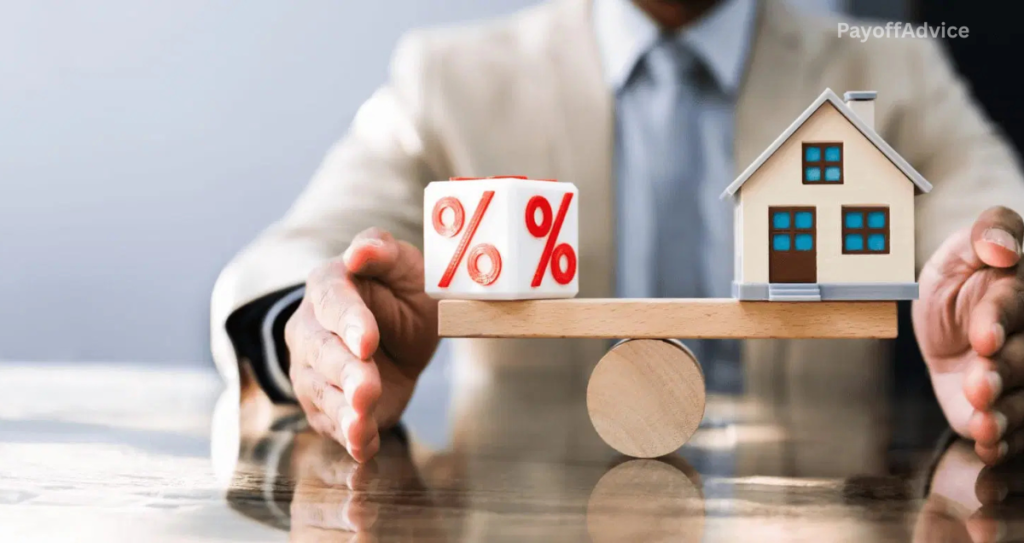
Why Credit Card Debt Is the Clearest Example of Bad Debt
Americans are paying an average credit card interest rate of around 24.4 percent, with the average household carrying a credit card balance of roughly $7,951 to $9,821. Almost half of Americans carry a balance on their credit cards month to month, and nearly half of those with revolving balances expect that debt to increase further in 2026, according to a NerdWallet survey. Our guide on how to pay off credit card debt faster covers strategies specifically for eliminating this type of high-interest debt.
How Auto Loans Can Slide From Acceptable to Bad Debt
Auto loans occupy a gray area, since a reasonably priced vehicle needed for work or family responsibilities can be a practical necessity, but auto loans have some of the highest default rates among debt categories despite representing a smaller share of total household debt. About a third of new vehicle auto loans now stretch to roughly five and a half years, a longer term that increases total interest paid and raises the risk of owing more than the car is worth.
The Warning Signs Debt Is Turning Bad
Debt tends to turn from acceptable to bad when it is taken on at high interest rates to pay for things that lose value quickly, when minimum payments barely cover accruing interest, or when you are borrowing to cover routine living expenses rather than a specific investment or necessity. Recognizing these signs early can help you course-correct before a manageable debt load becomes an overwhelming one.
Avoid Using Home Equity as an Emergency Cushion
Households running low on savings sometimes turn to home equity lines of credit to cover shortfalls, which can look like a safety net but often carries a variable interest rate that increases risk over time. This kind of borrowing does not always show up clearly in near-term delinquency statistics, making it easy to underestimate the risk until payments become genuinely difficult to manage.
Build an Emergency Fund to Reduce Reliance on Bad Debt
One of the most effective ways to avoid falling into bad debt is having cash reserves available for unexpected expenses, so you are not forced to rely on high-interest credit cards or payday loans when a surprise cost arises. Our guide on building an emergency fund step by step covers how to create this buffer even if you are starting from nothing.
Understand the True Cost Before Borrowing
Before taking on any new debt, calculate the total interest you will pay over the life of the loan, not just the monthly payment. A lower monthly payment achieved by stretching out a loan term, such as a longer auto loan, often means paying significantly more in total interest, even though it looks more affordable month to month.
Keep Your Debt-to-Income Ratio in Check
Lenders and financial planners commonly look at your debt-to-income ratio, the percentage of your gross monthly income going toward debt payments, as a signal of financial health. Keeping this ratio low, generally by avoiding unnecessary new debt and paying down existing high-interest balances, gives you more flexibility to handle both planned goals and unexpected setbacks.

Prioritize Paying Off Bad Debt Before Building Other Goals
Given that average credit card interest rates run well above typical investment returns, using savings to pay down high-interest, non-deductible debt like credit card balances is often the most cost-effective financial move available, ahead of most other savings or investment goals. Our guide on debt snowball vs debt avalanche covers structured methods for eliminating existing bad debt as quickly as possible.
Not all debt threatens your financial health equally, and learning to distinguish good debt, which builds toward your future, from bad debt, which drains your finances through high interest rates on depreciating purchases, is a foundational financial skill. Building an emergency fund, understanding the true cost of borrowing, and prioritizing high-interest debt payoff are the most effective ways to avoid the kind of debt that becomes genuinely damaging over time.
Frequently Asked Questions
1. What is the main difference between good debt and bad debt?
Good debt finances something that can increase in value or future income, like a mortgage or student loan, while bad debt is high-interest borrowing for depreciating assets or non-essential expenses.
2. Is a mortgage considered good debt?
Yes, mortgages are generally considered good debt since they typically carry lower interest rates and finance an asset that can appreciate over time.
3. Why is credit card debt considered bad debt?
Credit cards carry some of the highest interest rates of any common debt type, averaging around 24.4 percent, and typically finance non-appreciating purchases.
4. Can auto loans be bad debt?
Auto loans can slide into bad debt territory when loan terms are stretched too long or when the vehicle’s value depreciates faster than the loan balance decreases.
5. What are warning signs that debt is becoming a problem?
Signs include minimum payments barely covering interest, borrowing to cover routine living expenses, and taking on high-interest debt for depreciating purchases.
6. Is it risky to use home equity as an emergency fund?
Yes, home equity lines of credit often carry variable interest rates, and relying on them for emergencies can create risk that does not show up in near-term statistics.
7. What is a debt-to-income ratio?
It is the percentage of your gross monthly income that goes toward debt payments, commonly used by lenders and planners to assess financial health.
8. Should I pay off credit card debt before investing?
Generally yes, since credit card interest rates typically exceed likely investment returns, making debt payoff one of the most cost-effective financial moves available.
9. How much total U.S. household debt exists in 2026?
Total U.S. household debt reached approximately $18.8 trillion in the first quarter of 2026, according to New York Federal Reserve data.
10. What is the best way to avoid falling into bad debt?
Building an emergency fund, understanding the true total cost of any loan before borrowing, and keeping your debt-to-income ratio low are among the most effective preventive strategies.