Debt Management & Credit
Debt-to-Income Ratio Explained: What Lenders Want in 2026
Your debt-to-income ratio is one of the biggest factors lenders check before approving a mortgage, auto loan, or credit card in 2026. Here’s how to calculate it and lower it fast.


Your debt-to-income ratio (DTI) is one of the first numbers a lender checks before approving you for a mortgage, auto loan, personal loan, or even a new credit card. It tells lenders how much of your monthly income is already spoken for by debt payments, and in 2026, with home prices and interest rates still elevated, it’s playing an even bigger role in who gets approved and who doesn’t.
In this guide, you’ll learn exactly what debt-to-income ratio means, how to calculate yours in under two minutes, what DTI lenders want to see in 2026, and the fastest ways to bring your number down if it’s too high.
What Is a Debt-to-Income Ratio?
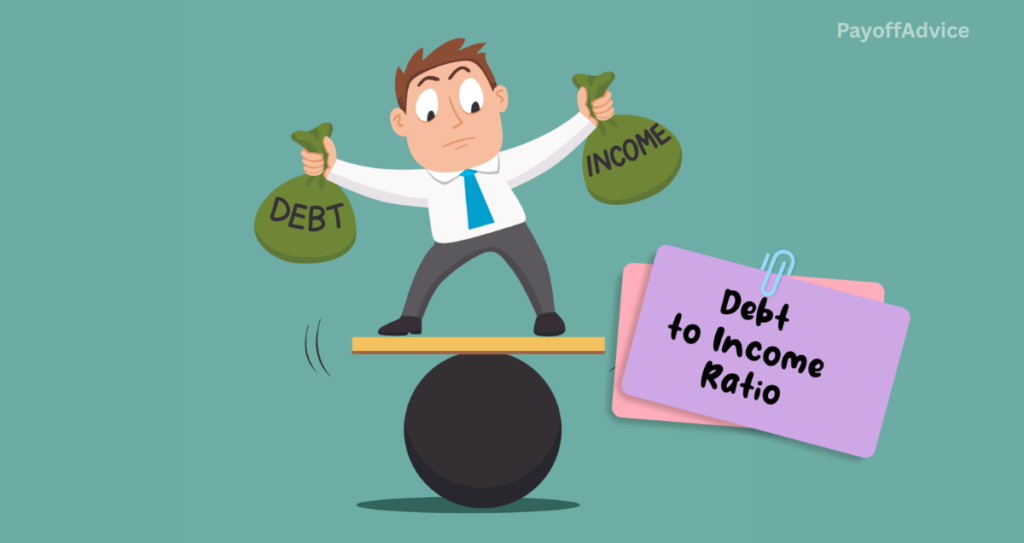
Your debt-to-income ratio is the percentage of your gross (pre-tax) monthly income that goes toward paying debts, including your mortgage or rent, car loans, student loans, credit card minimums, and other recurring debt payments. Lenders use it, alongside your credit score, to judge how much financial risk you represent. A high DTI signals that a new payment could stretch your budget too thin, even if your credit score is strong.
How to Calculate Your Debt-to-Income Ratio
The formula is simple:
DTI = (Total Monthly Debt Payments ÷ Gross Monthly Income) × 100
Example: if you earn $6,000 a month before taxes and pay $500 for a car loan, $300 in student loans, $200 in credit card minimums, and $1,500 for rent or a mortgage, your total monthly debt is $2,500. Divide that by $6,000 and multiply by 100, and your DTI is about 41.7%.
Front-End vs. Back-End DTI
Mortgage lenders actually look at two versions of this number. Your front-end DTI only counts housing costs (mortgage principal, interest, taxes, insurance, and HOA dues) against your income. Your back-end DTI counts all debt payments, including housing. When people say “debt-to-income ratio” without specifying, they usually mean back-end DTI, since it’s the number most lenders weigh most heavily.
What DTI Ratio Do Lenders Want in 2026?
According to mortgage industry data for 2026, acceptable DTI limits vary significantly by loan type:
- Conventional loans (Fannie Mae/Freddie Mac): typically capped around 45%, though some lenders stretch to 50% with strong compensating factors like a large down payment or high credit score.
- FHA loans: can allow DTI as high as 57% with compensating factors.
- VA loans: may approve borrowers with DTI up to 60% in some cases.
- USDA loans: generally cap DTI between 41% and 46%.
For non-mortgage credit, like auto loans and credit cards, most lenders still prefer to see a back-end DTI at or below 36%, and get noticeably more cautious above 43%, which was the threshold the Consumer Financial Protection Bureau historically used to define a “Qualified Mortgage.”
DTI Ratio Tiers: Where Do You Stand?
- Below 36%: Excellent. You look low-risk to nearly every lender.
- 36% to 43%: Good. Most conventional and FHA lenders will approve you.
- 43% to 50%: Acceptable, but you’ll likely need strong credit, savings, or a bigger down payment to offset it.
- Above 50%: Difficult. Approval becomes much harder outside of FHA or VA programs, and your rate will likely be higher.
How to Lower Your DTI Ratio Fast
Because DTI is a ratio, you can improve it by paying down debt, increasing income, or both. A few of the fastest levers:
- Attack high-payment debt first. Paying off a card or loan with a high minimum payment (not necessarily the highest interest rate) drops your DTI faster than one with a small monthly payment. Structured methods like the debt snowball or debt avalanche can help you decide which balance to target first.
- Consolidate to lower your monthly payment. Rolling multiple high-payment debts into one lower monthly payment can immediately improve your ratio. Compare your options in our guide to debt consolidation loans versus balance transfer cards.

- Avoid new debt before applying. Hold off on financing furniture, opening store cards, or leasing a car in the months before you apply for a mortgage.
- Increase documented income. A raise, a side hustle with a paper trail, or adding a co-borrower can all lower your effective DTI.
DTI vs. Credit Score: Which Matters More?
They measure different things, and lenders check both. Your credit score reflects your payment history and credit management over time. Your debt-to-income ratio reflects your current capacity to take on a new payment. You can have excellent credit and still get denied for a loan if your DTI is too high, because the lender isn’t worried about whether you’ve paid on time in the past; they’re worried about whether your budget can absorb a new payment today.
Frequently Asked Questions
What is a good debt-to-income ratio?
A DTI below 36% is considered excellent by most lenders, while 36% to 43% is generally still workable for conventional and FHA loans.
Does rent count toward my debt-to-income ratio?
Yes. Rent or your current mortgage payment is included in both front-end and back-end DTI calculations, since it’s a recurring monthly housing obligation.
Do utilities or groceries count in DTI?
No. DTI only includes debt payments and housing costs, not everyday living expenses like utilities, groceries, insurance premiums (outside of housing insurance), or subscriptions.
What DTI do I need to qualify for a mortgage in 2026?
Most conventional lenders want 45% or below, FHA loans can allow up to 57% with compensating factors, and VA loans can go as high as 60% in some cases.
Can I get approved for a loan with a DTI above 50%?
It’s possible through FHA or VA programs with strong compensating factors, such as excellent credit or significant cash reserves, but approval becomes much harder and rates are typically higher.
Does checking my DTI hurt my credit score?
No. Calculating your own DTI is just math using your income and debt statements; it doesn’t involve a credit check and has no effect on your score.
Is DTI the same as credit utilization?
No. Credit utilization measures how much of your available credit card limit you’re using. DTI measures your total monthly debt payments against your gross income.
How often should I check my debt-to-income ratio?
Recalculate it any time your income or debt payments change significantly, and always before applying for a major loan like a mortgage or auto loan.
Does paying off a credit card in full lower my DTI immediately?
Yes, as long as you close out or stop carrying a balance that requires a minimum payment. Lenders typically use your most recent statement, so a payoff needs to be reflected there.
Does a co-signer affect debt-to-income ratio?
Cosigning a loan adds that monthly payment to your own DTI calculation, even if someone else is the primary borrower and makes the payments.