Debt Management & Credit
Credit Utilization Ratio Explained: How It Affects Your Score in 2026


Your credit utilization ratio is one of the fastest-moving levers on your credit score — and in 2026, most Americans are sitting right at the danger zone. The national average credit utilization ratio was 28.3% as of March 2026, according to Experian, just under the 30% line where FICO’s scoring models start docking points. Understanding how this ratio is calculated, how much weight it carries, and where the real “sweet spot” sits can be the difference between a good score and an excellent one. Here’s what the latest 2026 data shows and how to use it to your advantage.
What Is a Credit Utilization Ratio?
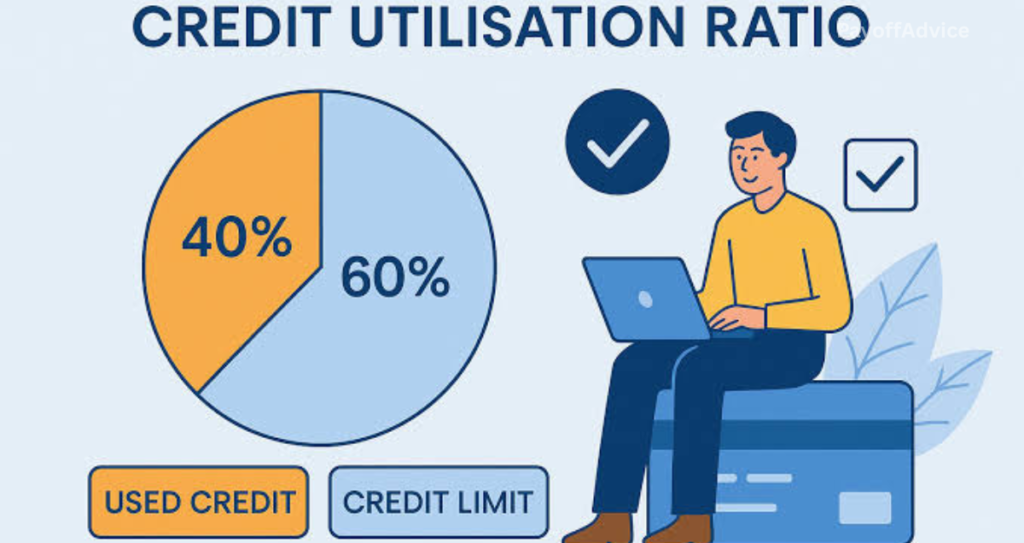
Your credit utilization ratio is the percentage of your available revolving credit that you’re currently using. It’s calculated by dividing your total credit card balances by your total credit limits, then multiplying by 100. If you carry $2,000 in balances across cards with a combined $10,000 limit, your utilization ratio is 20%.
This single number falls under the “amounts owed” category in the FICO scoring model — the second-largest factor after payment history — which is why lenders and scoring algorithms watch it so closely.
How Credit Utilization Is Calculated: Per-Card vs. Overall
FICO doesn’t just look at one aggregate number. Its algorithm evaluates your combined utilization across all revolving accounts and the utilization on each individual card. That means maxing out a single low-limit store card can hurt your score even if your overall utilization looks healthy on paper.
For example, a $4,500 balance on a card with a $5,000 limit produces a 90% utilization rate on that account alone — a red flag to lenders — even if your total utilization across all cards is a modest 15%. Both numbers matter, so it pays to check your statement balance on every card, not just your overall total.
How Much of Your FICO Score Does Credit Utilization Affect?
Payment history (35%) and amounts owed, which is dominated by credit utilization (30%), together make up 65% of your FICO score. That’s a bigger combined share than your length of credit history, credit mix, and new credit inquiries combined.
The score impact is significant and fast. According to 2026 analysis from ScoreNerds, moving from 30% to 5% utilization produced an average 35-point score improvement for consumers starting in the 700–750 range. Unlike a late payment, which can linger on your report for seven years, utilization resets every billing cycle as soon as your issuer reports a new balance — making it the quickest factor to fix and the quickest to backslide.
Average Credit Utilization Ratio in 2026: What the Data Shows
Recent data paints a mixed picture of how Americans are managing their revolving debt:
- The average consumer credit card utilization ratio was 28.3% in March 2026, per Experian.
- Utilization spiked to 36.1% in February 2026, up from 21.3% in 2024 — well above the commonly cited 30% threshold, according to Capital Counselor’s analysis of national credit data.
- The broader national average landed at 29.1%, sitting just below the level where FICO’s models begin applying incremental score penalties.
- Consumers with FICO scores above 780 carry an average utilization of just 7%, while those with scores of 800 or higher average under 3%.
- Average credit card debt reached $6,659 per borrower in 2026, up 0.6% year-over-year, according to Experian’s State of Credit Cards report.
The takeaway: a meaningful share of cardholders are carrying balances high enough to actively suppress their scores, often without realizing it — especially since utilization can spike between when a purchase posts and when the statement closes.
The 30% Rule vs. the Real Scoring Sweet Spot
The “30% rule” isn’t an official FICO guideline — it’s a rough ceiling that got repeated so often it calcified into conventional wisdom. Staying under 30% avoids the steepest score penalties, but it isn’t the optimal target. 2026 scoring analysis puts the real sweet spot closer to 1–3% utilization, with anything under 10% still considered excellent for score-maximizing purposes.
That doesn’t mean you need to pay off every card to $0. Reporting a small balance (rather than zero across every account) can actually work in your favor, since a $0 balance on every card sometimes reads as inactivity rather than responsible use.

How to Lower Your Credit Utilization Ratio
If you’re looking to move your utilization toward that sweet spot, these strategies tend to work fastest. For a broader foundation, see our guide on how to build credit from scratch.
- Pay down balances before the statement closing date — not just the due date — since issuers typically report the statement balance to the bureaus.
- Make multiple payments per month to keep your reported balance consistently low, especially if you use cards heavily for everyday spending.
- Ask for a credit limit increase on an existing card without adding new spending — this instantly lowers your ratio.
- Keep older accounts open, since closing a card reduces your total available credit and can spike your overall utilization.
- Spread large purchases across multiple cards rather than concentrating balances on one account.
- Set balance alerts through your card issuer’s app so you catch creeping balances before they report.
- Consider a balance transfer to a card with more available room if one account is carrying a disproportionate share of your debt.
These same habits also support the broader strategies covered in our guide to improving your credit score fast.
Common Mistakes That Spike Your Utilization
A few habits quietly work against cardholders who otherwise pay on time every month. Closing a paid-off card feels productive, but it permanently removes that credit limit from your total, which can push your overall ratio higher overnight. Paying in full each month doesn’t help if the payment lands after the statement closes — issuers report the balance as of that closing date, not your $0 balance after payment. And relying on one card for the bulk of your spending, even while paying it off monthly, can trigger a high per-card utilization reading even when your overall ratio looks fine.
Because utilization resets every reporting cycle, small adjustments to timing and balance distribution can move your score within a single billing period — no waiting years for the effect to show up, unlike derogatory marks on your payment history.
Frequently Asked Questions
What is a good credit utilization ratio?
Most scoring models reward utilization under 30%, but data from 2026 shows the real optimum is closer to 1–10%, with top scorers (800+) averaging under 3%.
Is 0% utilization better than a small balance?
Not necessarily. A $0 balance on every card can read as inactivity. Carrying a small reported balance (1–10% of your limit) on at least one card while keeping others low tends to perform better than an all-zero profile.
How often does credit utilization update?
It updates each time your card issuer reports your balance to the credit bureaus, typically once per billing cycle, making it the fastest-changing factor in your credit score.
Does checking my own credit report affect my utilization?
No. Checking your own report or score is a soft inquiry and has no effect on your utilization ratio or your score.
What counts toward credit utilization?
Only revolving credit — credit cards and lines of credit — counts. Installment loans like mortgages, auto loans, and student loans are excluded from the utilization calculation.
Does requesting a credit limit increase hurt my score?
It can trigger a small, temporary dip if the issuer performs a hard inquiry, but the resulting drop in utilization typically outweighs that short-term impact within a billing cycle or two.
Why did my utilization go up even though I didn’t spend more?
If an issuer lowers your credit limit — common during account reviews — your utilization ratio rises even with an unchanged balance, since the ratio is balance divided by limit.
Does utilization matter more than payment history?
No. Payment history carries slightly more weight (35% vs. 30%), but utilization is the faster lever to pull since it can improve within a single reporting cycle instead of years.
Should I close a credit card after paying it off?
Generally no, unless it carries a high annual fee. Closing the account removes its limit from your total available credit, which raises your overall utilization ratio.
Can a business credit card affect my personal utilization?
Only if the issuer reports it to your personal credit file, which varies by card. Check with your issuer, since some business cards report only to business credit bureaus.
Keeping your credit utilization ratio in check is one of the few credit-building moves that pays off almost immediately. A quick balance check before your statement closes each month can do more for your score than most other financial habits combined.