Debt Management & Credit
Improve Your Credit Score Fast in 2026: 12 Proven Strategies
12 proven, FICO-backed strategies to improve your credit score fast in 2026, covering utilization, payment history, disputes, and more.

Roughly 16.3% of Americans have “very poor” credit below 600, while the average U.S. FICO Score sits at 714 in 2026, a two-point dip driven largely by resumed student loan delinquency reporting. If you want to improve your credit score fast, the good news is that one factor, credit utilization, can move your score within a single billing cycle, while other levers take a few months of consistent habits. This guide breaks down what actually moves a FICO Score in 2026 and lays out 12 proven strategies you can start today.
Why Your Credit Score Matters More Than Ever
Credit scores increasingly separate winners from strugglers in what analysts call a K-shaped economy. A record 48.1% of consumers now carry a FICO Score of 750 or higher, and 71.2% qualify as “good” credit (670+), with 24% reaching the “exceptional” 800-850 tier. At the other end, more than two million borrowers saw their score drop 100 points or more in a single quarter in 2026, mostly from student loan defaults resurfacing on credit reports. Where you land on that spread determines the interest rate you pay on every card, loan, and mortgage for years to come.
What Actually Makes Up Your Score
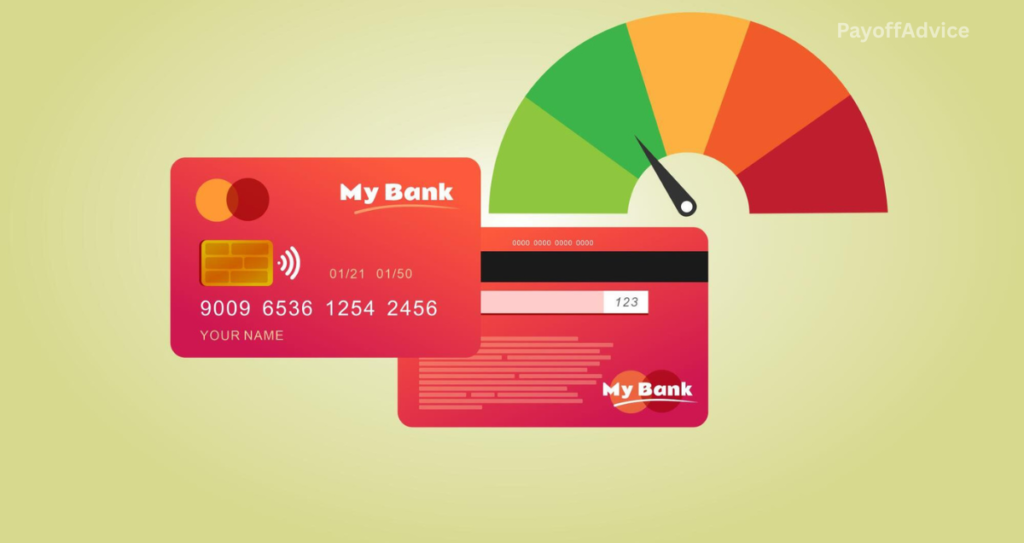
FICO weighs five ingredients: payment history (35%), amounts owed (30%), length of credit history (15%), new credit (10%), and credit mix (10%). The newer FICO 10T model also tracks trended data over the prior 24 months, rewarding consistent behavior rather than a single snapshot. That means the strategies below compound: a habit you start this month keeps paying off for years.
12 Proven Strategies to Improve Your Credit Score Fast
1. Automate every payment
Payment history is 35% of your score, the single biggest lever. Autopay for at least the minimum due removes the risk of a slip becoming a 7-year mark on your report.
2. Push utilization below 10%
Amounts owed make up 30% of your score. Consumers with scores above 780 average just 7% utilization, and those above 800 average under 3%. If you are carrying balances, see our guide on how to pay off credit card debt fast to bring utilization down quickly. This factor updates as soon as your issuer reports a new balance, often within 30 days.
3. Keep old accounts open
Length of credit history is 15% of your score. Closing your oldest card shortens your average account age and can spike utilization at the same time, a double hit.
4. Become an authorized user
If a family member has a long history of on-time payments and low balances, being added to their card can import that positive history to your report.
5. Open a secured card or credit-builder loan
Both report to the bureaus and are built specifically to establish or rebuild payment history when you are starting from thin or damaged credit.
6. Dispute errors on your report
An FTC study found 26% of consumers had a material error on at least one credit report, and roughly 4 in 5 people who filed a dispute saw a correction. Pull your reports and challenge anything wrong.
7. Request a credit limit increase
A higher limit lowers your utilization ratio instantly, provided you do not spend more. Ask your issuer directly; many approve it with a soft inquiry only.
8. Mix credit types over time
Credit mix is 10% of your score. A blend of revolving credit (cards) and installment credit (auto, personal, or student loans) shows lenders you can handle different obligations, but never take on debt just for this reason.
9. Space out new applications
New credit is another 10% of your score, and each hard inquiry can ding it slightly. Apply for new credit only when you need it, and cluster comparison-shopping (like for a mortgage) into a short window.
10. Attack real balances, not minimums
Paying only the minimum keeps utilization high and your debt-to-income ratio elevated, both of which work against your score and your borrowing power.
11. Report rent and utility payments
Third-party services can add these on-time payments to your credit file, giving renters a way to build payment history without opening new credit.
12. Pull your free credit reports every year
Monitoring for free at AnnualCreditReport.com lets you catch errors and fraud early, before they drag your score down.
How Long It Actually Takes to See Results
Utilization-driven score changes can appear within a single reporting cycle, roughly 30 days, because the balance your issuer reports to the bureaus updates monthly. Payment history is slower and more punishing: a single late payment stays on your report for 7 years, though its weight on your score fades as it ages, especially once you are 12 to 24 months past it with a clean record. There is no legitimate shortcut around time and consistency.
Common Mistakes That Undo Progress
The most common self-inflicted wounds are closing old cards to “simplify,” maxing out a card to earn rewards before paying it off, ignoring a collections notice instead of negotiating it, and applying for several cards in a short window right before a big purchase like a car or a house. Each of these directly hits one of the five FICO factors above.
Improving your credit score fast is not about a single trick. It is stacking small, verifiable habits — on-time payments, low utilization, older accounts, clean reports — so all five FICO factors move in your favor at once. Start with utilization and autopay this week; the rest compounds from there.
Frequently Asked Questions
What is a good credit score in 2026?
A FICO Score of 670 or higher is considered “good.” Scores from 800 to 850 are “exceptional.” Today, 71.2% of Americans fall in the good range or better.
What is the average credit score in the US right now?
The average FICO Score is 714 in 2026, down slightly from prior years as student loan delinquencies resume appearing on credit reports.
How fast can I improve my credit score?
Utilization-related changes can show up within about 30 days, since issuers typically report balances monthly. Payment history improvements take several months of consistent on-time payments.
How much does credit utilization affect my score?
Amounts owed, including utilization, make up 30% of your FICO Score. Consumers with scores above 780 average just 7% utilization.
Will closing an old credit card hurt my score?
Usually yes. It shortens your average account age, which is part of the 15% length-of-history factor, and can raise your overall utilization ratio.
How long do late payments stay on my credit report?
Late payments generally stay on your report for 7 years from the missed payment date, though their impact on your score lessens over time.
Does checking my own credit score hurt it?
No. Checking your own score or report is a soft inquiry and has no effect on your credit score.
Can I get errors removed from my credit report?
Yes. An FTC study found 26% of consumers had a report error, and about 4 in 5 disputes resulted in a correction. Dispute directly with the credit bureau.
Does becoming an authorized user help my score?
It can, as long as the primary cardholder has a strong history of on-time payments and low balances, since that account history gets added to your file.
How often should I check my credit report?
At minimum once a year for free at AnnualCreditReport.com. Check more often through free monitoring tools if you are actively working to raise your score.