How To Invest
How to Start Investing With Your First Paycheck
Your first paycheck is the best time to start investing. Here is a step-by-step guide to turning your very first paycheck into the start of a long-term investing habit.


Your first paycheck is one of the best moments to start investing, even before you feel financially settled. The habits and account setups you put in place in your first few months of earning a paycheck often shape your entire financial trajectory, and current data shows the earlier you start, the more free money and compounding growth you capture.
Here is a step-by-step guide to turning your very first paycheck into the start of a real investing habit.
Step 1: Capture Your Full Employer 401(k) Match First
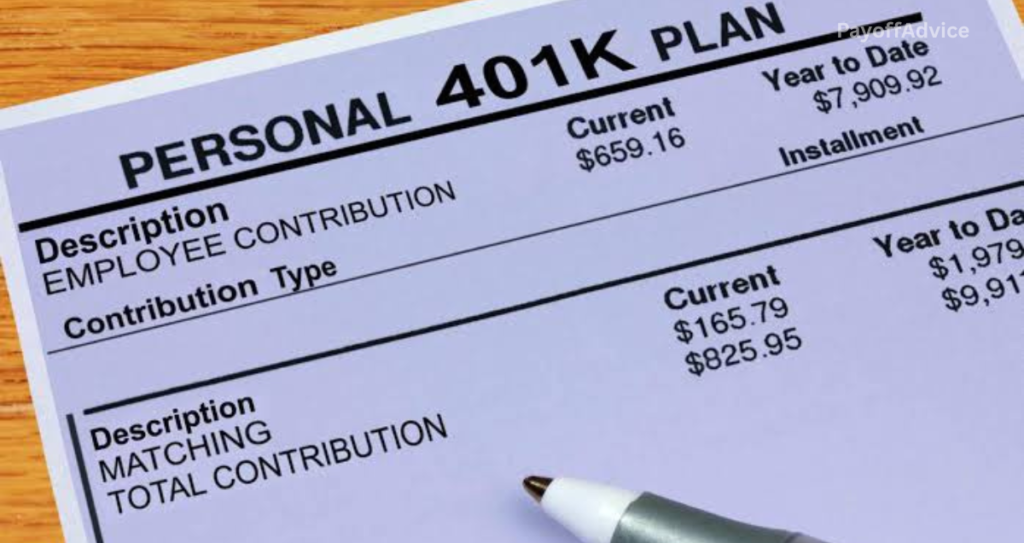
Before investing anywhere else, check whether your employer offers a 401(k) match. In 2026, the average employer match is around 4 to 6 percent of salary, according to multiple industry surveys, with a common structure being a 50 percent match on contributions up to 6 percent of pay. This match is essentially free money, and not capturing it in full is one of the most common early-career investing mistakes.
Step 2: Understand Your 2026 Contribution Limits
For 2026, employees under 50 can contribute up to $24,500 to a 401(k), while the combined employee and employer contribution limit is $72,000. You do not need to max these limits with your first paycheck, but knowing them helps you plan how your contribution percentage should grow as your salary increases over time.
Step 3: Decide Between a Roth and Traditional Account
A Roth 401(k) or Roth IRA is generally worth strong consideration early in your career, since contributions are taxed now while you are likely in a lower tax bracket, and withdrawals in retirement are tax-free. A traditional account, by contrast, reduces your taxable income today but taxes withdrawals later. Many first-time earners benefit more from Roth accounts precisely because their income, and therefore tax rate, tends to be lowest early in a career.
Step 4: Build a Small Starter Emergency Fund Alongside Investing
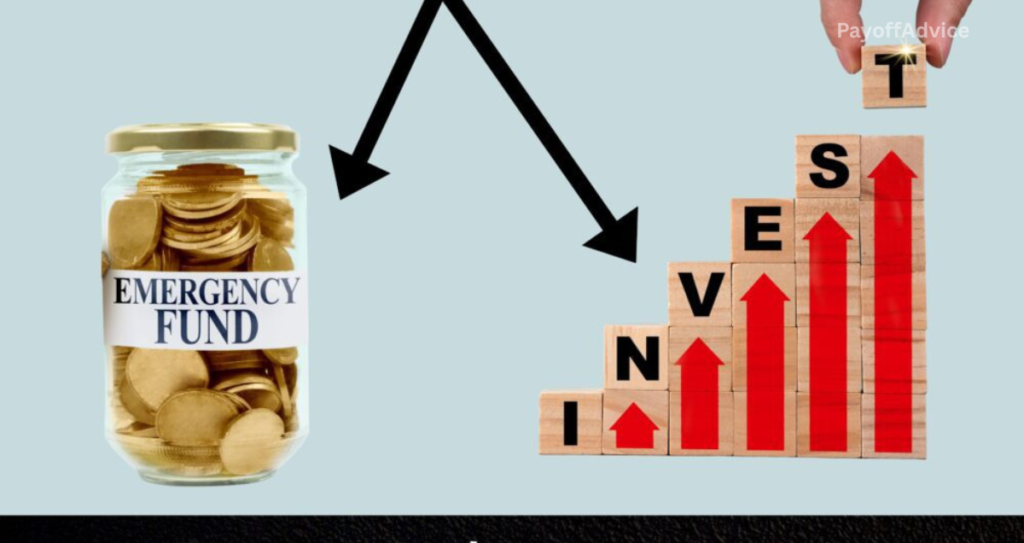
Before increasing your investment contributions beyond your employer match, set aside a small emergency fund of $500 to $1,000. Our guide on building an emergency fund step by step covers how to do this without slowing down your investing progress too much.
Step 5: Open a Brokerage Account for Money Beyond Retirement Accounts
Once your employer match and starter emergency fund are in place, consider opening a standard brokerage account for additional investing. Many modern brokerages now support fractional shares and zero-commission trades, making it possible to start with very small amounts, as covered in our guide on starting to invest with less than $100.
Step 6: Choose Low-Cost, Diversified Investments to Start
For a first paycheck, broad-market index funds or target-date retirement funds are generally more appropriate than picking individual stocks. These options automatically diversify across many companies, reducing the risk of concentrating your very first investments in a single company that could underperform.
Step 7: Automate Your Contributions Immediately
Set up your 401(k) contribution percentage and any brokerage account transfers to happen automatically from your very first paycheck. Data from Fidelity shows that as of March 2026, 18 to 20 percent of Gen Z and Millennial workers had already increased their contribution rate, showing that early automation and engagement is becoming more common among younger workers.
Step 8: Increase Your Contribution Rate With Every Raise
Rather than letting your entire raise flow into increased spending, commit in advance to directing at least half of every future raise toward increasing your retirement contribution percentage. This single habit compounds significantly over a career without ever feeling like a pay cut, since you are only redirecting money you have not yet gotten used to spending.
Step 9: Avoid Cashing Out When You Change Jobs
When you leave a job, it can be tempting to cash out a small 401(k) balance rather than rolling it into a new account. This triggers taxes and penalties and eliminates decades of potential compounding growth. Rolling the balance into your new employer’s plan or an IRA preserves both the tax advantages and the growth potential of that money.
Step 10: Revisit Your Investment Choices Annually
Your first paycheck’s investment choices do not need to be permanent. Review your contribution rate, account type, and fund selections at least once a year, adjusting as your income, goals, and risk tolerance evolve over the course of your career.
Final Thoughts
Your first paycheck will not make you wealthy on its own, but the habits and account structures you build around it compound for decades. Capturing your full employer match, automating contributions, and choosing diversified, low-cost investments from day one puts you meaningfully ahead of workers who wait years to start.
Frequently Asked Questions
1. Should I invest before building an emergency fund?
Capture your full employer 401(k) match first since it is essentially free money, then build a small starter emergency fund before investing further.
2. What is a 401(k) match and why does it matter?
It is additional money your employer contributes based on your own contributions, commonly 4 to 6 percent of salary in 2026, and not claiming it in full leaves free money unused.
3. Should I choose a Roth or traditional 401(k) with my first paycheck?
Many early-career workers benefit from Roth accounts since their income, and therefore tax rate, is often lowest at the start of a career.
4. What is the 401(k) contribution limit for 2026?
Employees under 50 can contribute up to $24,500 in 2026, with a combined employee and employer limit of $72,000.
5. What should I invest in with my first paycheck?
Broad-market index funds or target-date retirement funds are generally more appropriate for beginners than individual stocks, since they provide instant diversification.
6. What happens if I cash out my 401(k) when changing jobs?
Cashing out typically triggers taxes and penalties and eliminates decades of potential compounding growth, so rolling the balance over is usually better.
7. How much of my raise should go toward investing?
Committing to direct at least half of every future raise toward increased retirement contributions is a common and effective strategy.
8. Do I need a lot of money to open a brokerage account?
No, many modern brokerages support fractional shares and zero-commission trades with no account minimum, making it possible to start with small amounts.
9. How often should I review my investment choices?
Reviewing your contribution rate and fund selections at least once a year is generally sufficient as your income and goals change.
10. Is it too early to start investing with my very first paycheck?
No, starting early is one of the most valuable things you can do, since it maximizes the number of years your money has to compound.