Debt Management & Credit
What Happens If You Stop Paying Credit Card Debt? 2026 Timeline and Consequences
Stop paying credit card debt and the fallout follows a predictable timeline: late fees, a credit bureau report, collections, and a charge-off by 180 days. Here’s exactly what happens at each stage in 2026, and what to do before it gets that far.


If you’re asking what happens if you stop paying credit card debt, the answer unfolds in stages, not all at once. You have about 30 days before real damage starts, roughly 90 days before your account can be sent to collections, and 180 days before the creditor writes it off completely — and even then, you still owe the money. Here’s the 2026 timeline, the numbers behind each stage, and your options.
The Timeline: What Happens Day by Day
At 1 day late, most issuers charge a late fee and may apply a penalty APR. At 30 days late, the missed payment gets reported to all three credit bureaus, which is when your score takes its first real hit. By 90 days, many issuers escalate to an internal collections team or hand the account to a third-party collector. Somewhere between 120 and 180 days, depending on the lender, the account is charged off — the point where the creditor formally writes the debt off its books as a loss.
Charge-Off at 180 Days: What It Actually Means
Credit card issuers typically charge off an account at 180 days of nonpayment, though some move as early as 120 days, according to InCharge Debt Solutions. A charge-off is an accounting entry, not forgiveness. The creditor closes the account, reports it to the bureaus, then either keeps collecting internally, hires a collection agency, or sells the debt to a debt buyer for pennies on the dollar. In every case, you’re still legally responsible for the balance until it’s paid, settled, or becomes uncollectible under your state’s statute of limitations.

How Far Your Credit Score Falls
The damage compounds. A payment 90 days late can drop a score by around 180 points on its own. Once the account charges off, expect another 50 to 150 points of damage depending on your starting score. If the debt is then sold to a collection agency, that’s a separate negative entry worth another 50 to 100 points. A borrower who starts at 720, misses six payments on a $4,000 balance, and then has the debt sold to collections can realistically land in the 550–590 range. The charge-off itself stays on your report for seven years from the first missed payment, regardless of whether you eventually pay it.
Collections, Debt Buyers, and Lawsuits
After charge-off, you’re typically dealing with a collection agency working for the original creditor, or a debt buyer that purchased your account outright for 5 to 15 cents on the dollar. Both can call, write, and report the debt under the Fair Debt Collection Practices Act. If the balance is large enough to justify the legal cost, you can be sued for the remaining amount — and a judgment can lead to wage garnishment or a bank levy in states that allow it, a materially worse outcome than the credit score damage alone.
Does the Debt Ever Expire? The Statute of Limitations
Every state sets a limit on how long a creditor has to sue over unpaid credit card debt. Thirteen states cap it at 3 years, a handful allow up to 10, and most fall in the 4-to-6-year range, according to InCharge’s 50-state guide. The clock generally starts from your last payment or account activity. It only affects whether you can be successfully sued — it doesn’t erase the debt or stop collection calls, and making even a small payment can restart the clock in many states.
How Common Is This in 2026
This isn’t rare. The credit card delinquency rate was 2.92% in Q1 2026 — its seventh straight quarterly decline after 11 consecutive increases, per WalletHub’s tracker. The charge-off rate sits at 3.8%, down from a 4.6% cycle peak in Q3 2024 but still above the 3.7% pre-pandemic baseline. Stress isn’t evenly spread: delinquency at small banks outside the top 100 lenders runs at 6.4%, more than double the largest issuers. Total U.S. credit card debt has climbed to $1.25 trillion, up 5.9% year-over-year, with the average carried balance at $10,479, according to the New York Fed’s Household Debt and Credit Report.
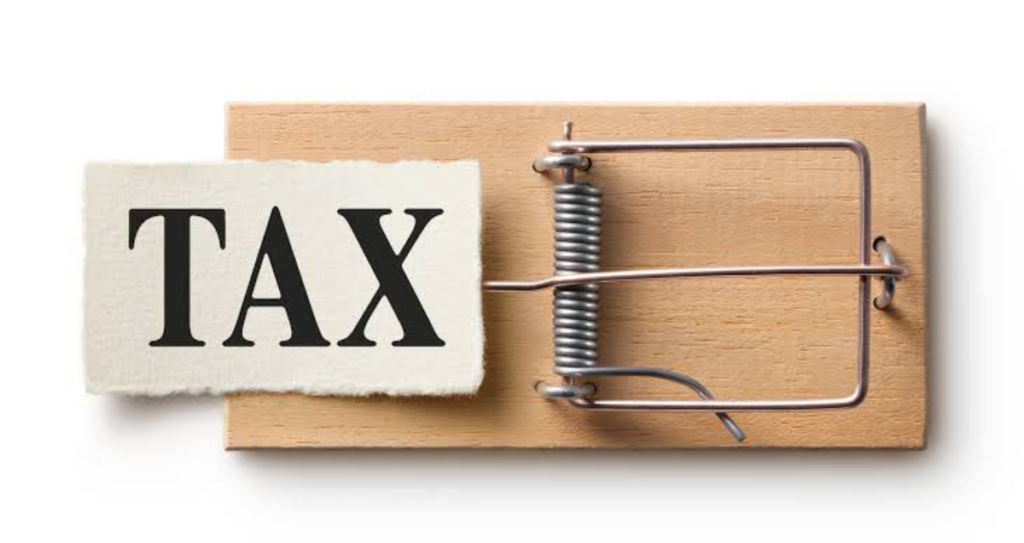
The Tax Trap Few People Expect
If you later settle a charged-off debt for less than you owe, the forgiven amount can be taxable. Creditors that cancel $600 or more generally must send a Form 1099-C, and that forgiven balance typically counts as ordinary income unless you qualify for an insolvency exception — an overlooked cost worth factoring into any settlement offer.
Options Before You Stop Paying
- Call your issuer before missing a payment — many offer hardship programs with temporarily reduced rates or payments.
- Contact a nonprofit credit counseling agency about a debt management plan that consolidates payments at a lower rate.
- Compare a 0% balance transfer card or fixed-rate personal loan against your APR; see our guide on how to pay off credit card debt faster.
- If the debt is already unmanageable, weigh debt settlement vs. bankruptcy to see which actually saves more.
What to Do If You’ve Already Stopped Paying
Request debt validation in writing from any collector who contacts you — they must prove they own the debt and the amount owed before you pay anything. Get any settlement offer in writing before sending money. If you’re served with a lawsuit, don’t ignore it; showing up, even without a lawyer, changes the outcome compared to a default judgment.
Stopping credit card payments triggers a predictable chain: a late fee at day one, a bureau report at 30 days, possible collections at 90 days, and a charge-off by 180 days that can cost 100+ credit score points without erasing what you owe. The debt stays legally collectible for years depending on your state and can even trigger a tax bill if later settled. Acting before the 90-day mark is almost always cheaper than the aftermath of a charge-off.
Frequently Asked Questions
What happens if you stop paying credit card debt?
You’ll typically see a late fee within days, a credit bureau report at 30 days, possible collections around 90 days, and a formal charge-off around 180 days. The debt is still owed after charge-off and can be pursued for years.
How many days until a credit card is charged off?
Most issuers charge off an account after 180 days of nonpayment, though some charge off as early as 120 days.
Does a charge-off mean the debt is forgiven?
No. It’s an accounting move where the creditor writes the debt off its own books. You still legally owe the balance, and it can be collected by the original creditor, a collection agency, or a debt buyer.
How much will my credit score drop if I stop paying?
A payment 90 days late can drop your score around 180 points on its own. A charge-off can add another 50 to 150 points of damage, and a subsequent sale to collections can subtract another 50 to 100.
Can I be sued for unpaid credit card debt?
Yes. If the balance is large enough to be worth pursuing, the creditor or a debt buyer can sue for the remaining amount, and a judgment can lead to wage garnishment or a bank levy depending on your state.
Does credit card debt ever expire?
The statute of limitations limits how long a creditor can successfully sue you, ranging from 3 to 10 years by state, but it doesn’t erase the debt or stop collection calls even after it expires.
How long does a charge-off stay on my credit report?
Seven years from the date of the first missed payment that led to it, regardless of whether you later pay or settle the balance.
Will I owe taxes if I settle a charged-off credit card debt?
Possibly. If a creditor forgives $600 or more, they generally must issue a Form 1099-C, and the forgiven amount is typically taxable income unless you qualify for an insolvency exception.
What should I do before I miss a credit card payment?
Call your issuer and ask about hardship programs, or contact a nonprofit credit counseling agency about a debt management plan that lowers your rate and consolidates payments.
Is it better to stop paying or settle credit card debt?
Settling proactively is almost always better than simply stopping payments, since it limits how much the balance grows and can help you avoid a lawsuit.