Economy
Inflation Explained: 12 Proven Ways to Protect Your Savings and Grow Your Money in Any Economy
Inflation is eating into your savings faster than most people realize. Here are 12 proven, practical ways to protect your money and keep growing your wealth in any economy.

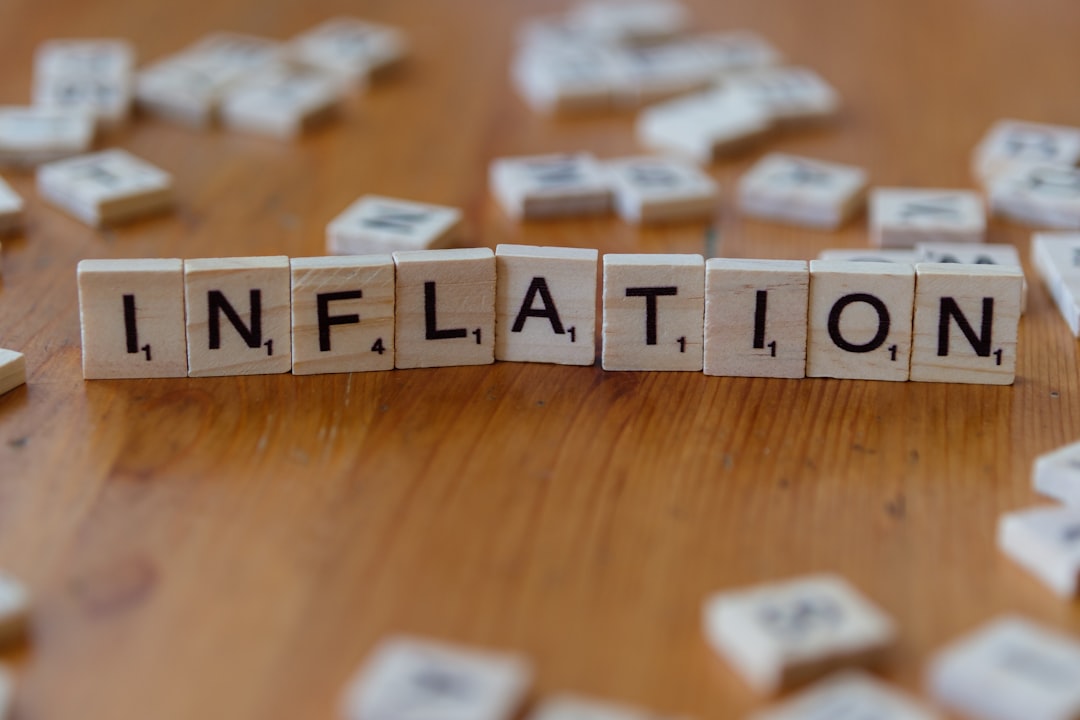
Inflation quietly erodes the value of every dollar you save. As of June 2026, the annual U.S. inflation rate stood at 3.5 percent, with core inflation (excluding food and energy) at 2.6 percent, still above the Federal Reserve long-term target of around 2 percent. That means cash sitting idle in a low-interest account is steadily losing purchasing power every year, even when your bank balance looks unchanged.
The good news is that you do not need to be a professional investor to protect your savings from inflation. Below are 12 proven strategies you can start using today, grounded in current economic data.
1. Understand What Is Actually Driving Inflation Right Now
Not all inflation is equal. In 2026, energy and shelter costs have been the biggest swing factors, with some categories like airline fares up over 26 percent year over year while others like used vehicles have actually fallen in price. Knowing which categories are rising fastest helps you prioritize which expenses to guard against first.
2. Keep Your Emergency Fund in a High-Yield Savings Account
A standard checking account often pays close to 0 percent interest, meaning your emergency fund loses value every year inflation runs above zero. Moving that same cash into a high-yield savings account, which currently offers meaningfully higher annual percentage yields than traditional banks, helps your safety net keep closer pace with rising prices.
3. Invest in Stocks for Long-Term Growth
Historically, equities have outpaced inflation over long time horizons far more consistently than cash. While short-term volatility is real, a diversified stock portfolio held for years, not months, has been one of the most reliable ways to grow wealth faster than prices rise. For a deeper look at balancing this against other asset classes, see our guide on smart strategies to invest your money in gold and stocks.

4. Consider Treasury Inflation-Protected Securities (TIPS)
TIPS are U.S. government bonds specifically designed to adjust their principal value with inflation, as measured by the CPI. They will not make you rich, but they offer a low-risk way to ensure a portion of your portfolio moves in step with rising prices rather than losing ground to them.
5. Diversify Into Real Assets
Real estate and commodities like gold have historically served as inflation hedges because their prices tend to rise alongside the general cost of goods. Owning even a modest allocation to real assets, whether through direct property, REITs, or commodity funds, can reduce your overall exposure to inflation eating away at an all-cash portfolio.
6. Avoid Holding Excess Cash Beyond Your Emergency Fund
Cash beyond 3 to 6 months of expenses sitting in low-yield accounts is effectively a guaranteed loss in real terms during periods of 3 percent-plus inflation. Once your safety net is funded, excess cash should generally be working in investments rather than sitting idle. Our guide on saving habits for financial independence covers how to build that safety net first.
7. Negotiate Your Recurring Bills Annually
Insurance premiums, subscriptions, and service contracts often creep upward every renewal cycle, compounding the effect of broader inflation on your budget. Calling providers once a year to negotiate or shop competing quotes can offset a meaningful share of these annual increases.
8. Increase Your Income, Not Just Your Savings Rate
When prices rise faster than your paycheck, cutting expenses alone has limits. Asking for raises, picking up freelance work, or building a side income stream is often a faster way to stay ahead of inflation than expense-cutting alone, especially when core inflation remains persistently above the Fed’s target.
9. Lock in Fixed-Rate Debt Before Rates Rise Further
If you need to borrow, such as for a mortgage or auto loan, locking in a fixed rate protects you from future rate increases that often follow persistent inflation. Markets in 2026 have priced in a real possibility of further Fed rate hikes if inflation does not continue cooling, making existing low fixed rates more valuable to hold onto.
10. Rebalance Your Portfolio Periodically
Inflationary periods can shift the relative value of your asset classes quickly, with energy and commodities sometimes surging while bonds lag. Rebalancing your portfolio every 6 to 12 months keeps your risk exposure aligned with your actual goals instead of drifting with whichever asset class happened to perform best recently.

11. Watch Shelter and Food Costs Closely
Shelter and food remain two of the stickiest components of inflation, both rising 3 percent or more year over year through mid-2026. Since these are largely non-discretionary expenses, building extra buffer into your budget for these categories specifically is more realistic than assuming they will moderate quickly.
12. Automate Investments So You Do Not Try to Time Inflation
Trying to predict exactly when inflation will peak or fall is extremely difficult even for professional economists. Automating regular contributions to your investment accounts regardless of the inflation headlines that month ensures you stay invested through the full cycle rather than sitting in cash waiting for clarity that may never come clearly enough to act on.
Final Thoughts
Inflation at 3.5 percent may not sound dramatic, but compounded over a decade it can quietly cut the purchasing power of idle cash by a third or more. The strategies above will not eliminate inflation risk entirely, but combined, they meaningfully reduce how much of your wealth it erodes, while keeping your financial plan resilient across different economic environments.
Frequently Asked Questions
1. What is the current U.S. inflation rate?
As of June 2026, the annual U.S. inflation rate was 3.5 percent, with core inflation at 2.6 percent, according to the Bureau of Labor Statistics.
2. Why is cash a bad long-term hedge against inflation?
Cash typically earns little to no interest, so when inflation runs above roughly 0 to 1 percent, cash steadily loses purchasing power even though the account balance stays the same.
3. What are TIPS and how do they help against inflation?
Treasury Inflation-Protected Securities are U.S. government bonds whose principal value adjusts with the Consumer Price Index, helping preserve purchasing power with low risk.
4. Is real estate a good inflation hedge?
Real estate has historically tended to appreciate alongside broader price levels and can generate rental income that often rises with inflation, making it a commonly used hedge.
5. Should I keep all my emergency fund in stocks to beat inflation?
No, emergency funds should stay in accessible, low-volatility accounts like high-yield savings; investing emergency cash in stocks risks needing to sell at a loss during a downturn.
6. How much of my portfolio should be in inflation-protected assets?
This varies by individual risk tolerance and goals, but many financial planners suggest a modest allocation to real assets or TIPS rather than an all-or-nothing approach.
7. Does raising my income help more than cutting expenses during inflation?
Both matter, but income growth has no lower limit the way expense-cutting does, making it a more scalable long-term response to persistent inflation.
8. Why does the Federal Reserve target 2 percent inflation?
The Fed views roughly 2 percent as consistent with healthy economic growth while avoiding the instability associated with very high or negative inflation.
9. Are gold and commodities reliable inflation hedges?
Gold and commodities have historically preserved value during inflationary periods, though their prices can be volatile in the short term, so they generally work best as one piece of a diversified strategy.
10. How often should I review my finances during high inflation periods?
Reviewing your budget, savings rate, and investment allocation every 6 to 12 months is generally sufficient, allowing you to adjust to changing inflation trends without overreacting to short-term data.